
The Maine Coon Guide
Everything you should know before welcoming one into your family.
The Maine Coon is one of the world’s most admired cat breeds, known for its impressive size, gentle temperament, and striking appearance. While their beauty often captures attention first, it is their affectionate nature, intelligence, and adaptability that make them such exceptional companions.
Whether you’re considering your first Maine Coon or simply learning more about the breed, we hope this guide provides a thoughtful introduction to what life with one of these remarkable cats is truly like.
A Breed Unlike Any Other
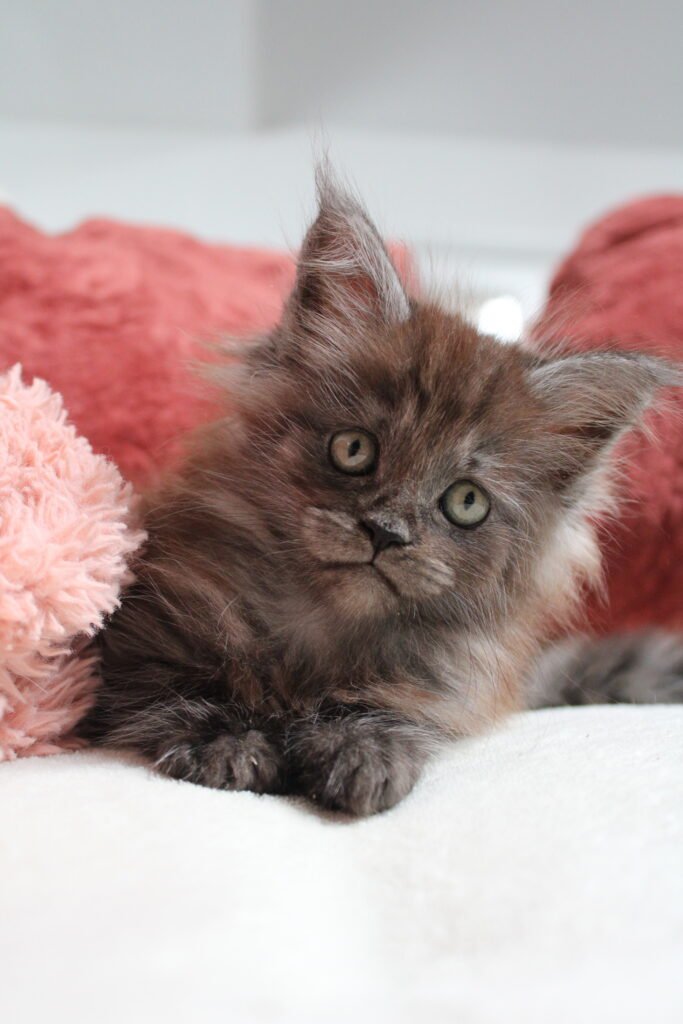
The Maine Coon is America’s native longhaired cat and one of the oldest natural breeds in North America. Originally developed to thrive in harsh New England winters, they are recognized for their large size, weather-resistant coats, tufted ears, bushy tails, and sturdy, balanced build.
Today, responsible breeders continue to preserve these defining characteristics while placing equal importance on health, temperament, and sound structure.
Temperament
One of the Maine Coon’s most cherished qualities is its temperament.
They are affectionate without being overly demanding, confident without being aloof, and playful well into adulthood. Many enjoy following their families from room to room, quietly observing daily life and participating whenever possible.
Their calm disposition often makes them excellent companions for respectful children, other cats, and cat-friendly dogs when introductions are handled properly.
Although every cat has its own personality, the Maine Coon is widely appreciated for its gentle and easygoing nature.
Size & Growth
Maine Coons mature much more slowly than most domestic cat breeds.
While many reach their adult height during the first year, they often continue developing in muscle, coat, and overall body condition until three to five years of age.
Because of this gradual development, young Maine Coons may appear lanky during adolescence before reaching their full potential.
Their impressive size should never come at the expense of balance or sound structure, qualities that responsible breeders carefully preserve.
Coat & Grooming
Despite their luxurious appearance, the Maine Coon’s coat is surprisingly manageable with routine care.
Weekly brushing is typically sufficient to remove loose hair and prevent tangles. During seasonal coat changes, more frequent grooming may be helpful.
Regular care should also include:
- Nail trimming
- Ear cleaning
- Dental hygiene
- Routine veterinary care
Show cats require significantly more grooming than family companions, but most pet Maine Coons maintain their beautiful coats with a simple, consistent routine.
Nutrition
Good nutrition plays an important role throughout every stage of a Maine Coon’s life.
Because they continue growing for several years, kittens benefit from a balanced diet that supports healthy development without encouraging excessive weight gain.
Fresh water should always be available, and many Maine Coons enjoy drinking from water fountains due to their natural curiosity.
At HausWhiskerfell, our kittens are introduced to a variety of quality foods during their early development to encourage flexibility as they transition into their new homes.
Exercise & Enrichment
Although known for their relaxed personalities, Maine Coons still enjoy daily play and mental stimulation.
Providing opportunities to climb, scratch, chase toys, and explore helps maintain both physical health and emotional well-being.
We recommend:
- Large cat trees
- Sturdy scratching posts
- Interactive toys
- Window perches
- Puzzle feeders
- Daily play sessions
A stimulating environment allows these intelligent cats to thrive.
Health
Responsible breeding begins long before kittens are born.
While no breeder can guarantee a cat will never develop a health condition, ethical preservation breeders work to reduce risk through thoughtful breeding decisions and appropriate health screening.
Common conditions responsible breeders monitor include:
- Hypertrophic Cardiomyopathy (HCM)
- Hip Dysplasia
- Spinal Muscular Atrophy (SMA)
- Pyruvate Kinase Deficiency (PKDef)
Health testing is only one part of the process. Careful pedigree research, veterinary guidance, and selecting breeding cats with excellent temperament all contribute to producing healthier future generations.
Living With a Maine Coon
Maine Coons adapt well to many households, provided their physical and social needs are met.
They generally enjoy spending time with their families and often prefer being nearby rather than isolated.
Prospective owners should be prepared for:
- Regular grooming
- Larger litter boxes
- Bigger cat trees and scratching posts
- High-quality nutrition
- Daily interaction and enrichment
- Routine veterinary care
Although they are often described as low-drama companions, they still require the same lifelong commitment as any other pet.
Is a Maine Coon Right for You?
A Maine Coon may be an excellent fit if you are looking for a companion who is:
✓ Gentle and affectionate
✓ Social without being overly demanding
✓ Intelligent and curious
✓ Comfortable with respectful children or other pets
✓ A long-term member of your family
They may not be the ideal choice if you are seeking a very low-maintenance pet or are unable to commit to regular grooming and routine care.
Choosing any breed should be a thoughtful decision based on your lifestyle, expectations, and ability to provide lifelong care.
Our Philosophy
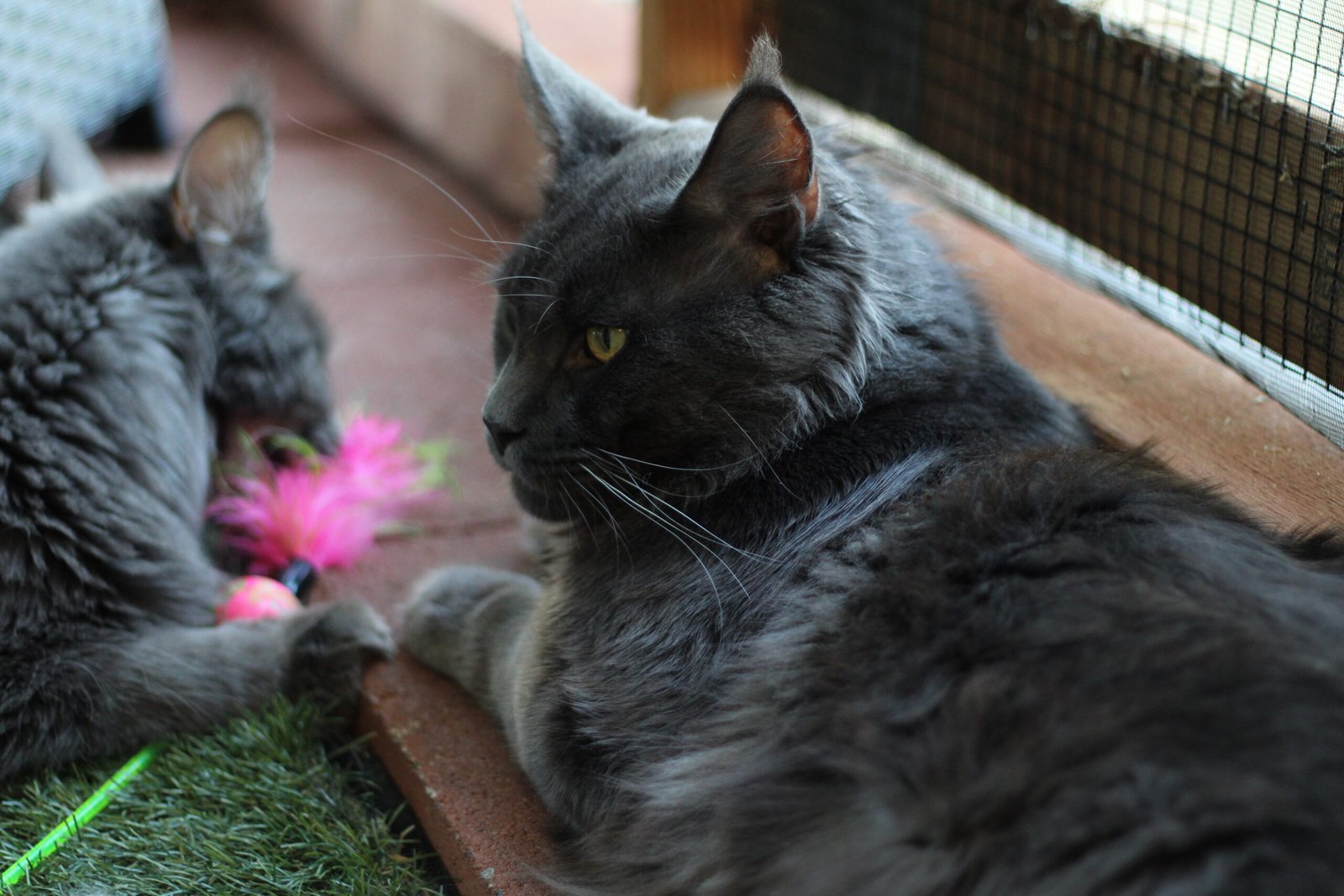
At HausWhiskerfell, we believe that preservation breeding begins with education.
An informed family is better prepared to provide a lifetime of love and care, and every kitten deserves a home that understands not only the beauty of the Maine Coon, but also the responsibility that comes with welcoming one into the family.
Our goal has never been simply to breed exceptional cats—it is to preserve the health, temperament, and timeless qualities that have made the Maine Coon one of the world’s most beloved breeds.